
The Latest in Air Quality Action
Find out about the latest news in air quality and how EMSOL is working with key partners.

How to Track and Reduce Emissions from Supply Chain Operations
Supply chains generate 15-25% of emissions yet remain least-monitored. Discover granular tracking approaches that enable 18-25% reduction through logistics optimisation and targeted intervention.
Creating a Culture of Continuous Improvement in Environmental Management
Improvement-driven environmental culture achieves 30-40% fewer violations than compliance-only approaches. Learn how to transform your team’s environmental performance through continuous improvement culture.
Best Air Quality Monitor for Warehouses and Logistics Hubs
Warehouse air quality monitoring requires occupational health focus. Multi-point tracking protects workers from vehicle emissions, dust hazards, and other workplace air quality risks.
Dust Monitoring Equipment Comparison Guide
Dust monitoring equipment comparison requires evaluation against performance criteria. Learn how to select technology that delivers accuracy and reliability for your monitoring needs.
Real-Time Delivery Route Monitoring: How to Track Logistics Emissions
Real-time delivery route monitoring enables continuous optimization and measurable emission reduction. Combine GPS tracking, telematics, and driver coaching for 15-20% improvement in fleet efficiency.
How to Track and Reduce Courier Fleet Emissions in Real-Time
Real-time fleet emissions monitoring integrates telematics data to identify efficiency opportunities. Achieve 5-15% reduction through targeted driver coaching and operational improvements.
Scope 3 Emissions Tracking for NHS Net Zero 2040 Compliance
Scope 3 emissions tracking requires transparent measurement and supplier collaboration. Understand why organisations find Scope 3 often dwarfs direct operations and how to track and reduce indirect impact.
Section 61 Prior Consent: What You Need to Know for Dust and Noise
Section 61 Prior Consent requires active dust and noise management on construction sites. Learn how source identification and documented response transform monitoring data into regulatory compliance evidence.
Urban Logistics and Air Quality: Best Practices for City Centre Distribution
Urban logistics air quality improvement requires multi-modal strategies: consolidation hubs, off-peak delivery, cargo bikes, and real-time route optimization balancing operations with environmental responsibility.
How to Identify Dust Sources on Your Construction Site
Construction dust identification proves contractor accountability reliably. Learn evidence-based methods that ensure Section 61 compliance defensibly with source identification approaches.
How to Reduce Dust on Construction Sites Legally
Site dust control reduces penalties by 80% and protects contractor relationships. Understand legal compliance requirements and proactive management strategies that prevent regulatory enforcement.
The Future of Air Quality Monitoring: AI, Predictive Analytics, and Beyond
AI-powered predictive analytics drive next-generation air quality monitoring. Discover how real-time sensors baseline today will become obsolete without adaptive, intelligent monitoring systems.
Best Air Quality Monitor for Construction Sites in 2026
Construction site compliance requires proof of cause, not just data. EMSOL’s visual causality through source identification transforms dust monitoring from reactive response to proactive evidence.
How to Meet Air Quality Standards During High-Rise Construction
Stratified air quality monitoring on high-rises ensures compliance across all building elevations. Learn how to prevent vertical pollution variation failures and maintain consistent air quality.
Managing Air Quality During Demolition: Critical Compliance Steps
Demolition air quality management prevents remediation costs exceeding 100k+ easily. Understand how proactive control meets regulatory obligations and protects your project budget.
PM2.5 and PM10 Monitoring on Construction: A Complete Guide
PM2.5 and PM10 particulate limits require continuous monitoring on construction sites. Understand standards to ensure constant compliance and prevent regulatory enforcement actions.
Real-Time Dust Monitoring Systems: Which One Works Best?
Compare dust monitoring systems against performance criteria to select technology that delivers accuracy and reliability. Learn evaluation frameworks and selection best practices.
What Happens if You Don’t Comply with Air Quality Requirements on Site?
Non-compliance penalties average 25k+ per violation on air quality breaches. Learn how proactive action prevents regulatory enforcement action reliably and protects your project costs.
What is the Best Way to Monitor Construction Dust?
Section 61 monitoring best practices ensure construction compliance defensibly. Learn how accurate dust tracking proves regulatory adherence and protects against enforcement action.

The Blind Spot in Net Zero
Net zero targets focus on carbon, but local air quality affects health outcomes differently. Discover why emissions that hit Milan or Boston differ vastly from those dispersing over the Baltic.
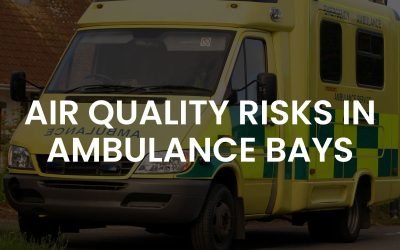
The East of England Ambulance Service NHS Trust study shows pollution exceeding WHO guidelines – what NHS trusts need to know
MAPA Pilot Study reveals ambulance bay pollution exceeding WHO guidelines. Key findings on PM2.5, PM10, NO2 exposure for NHS staff and patients.

Questions We Brought to the Air Quality News National Air Conference (And What We Learned)
Air Quality News conference revealed industry direction clearly. Learn what major conferences expose about sector trends and emerging challenges in environmental monitoring.
When Measurement Gaps Emerge: The Role of Independent Air Quality Monitoring
Measurement gaps hide pollution problems systematically. Learn how independent monitoring proves accurate data transforms compliance and reveals previously hidden environmental issues.

Why Bad Air Days Are Costing Your Business More Than You Think
Environmental reporting requirements double every 18 months. Stay ahead of regulatory changes with current systems that meet today’s demands and anticipate future requirements.
Why Fake Air Quality Reports Create Real Pollution Problems
Fake air quality reports increase pollution 15-25% measurably. Learn why real-time data prevents false good-news cycles and enables accurate environmental management.
Real-Time Construction Dust Monitoring: The Competitive Advantage Window Is Closing
Construction dust monitoring competitive advantage closes within 18 months. Early adoption determines market leadership in environmental compliance and air quality management.
The Pollution We Can See vs The Pollution We Can’t
Water pollution incidents surged 60% this year in UK. Learn why comprehensive monitoring prevents environmental violations and protects your facility from enforcement action.
Council Air Quality Strategies: Why Most Are Missing The Point
Council air quality strategies miss critical compliance elements typically. Understand what local authorities overlook and how comprehensive approaches achieve better environmental outcomes.

Carbon Price Warning: What It Means for Your Air Quality Strategy
Carbon price increases create air quality strategy urgency now. Financial pressures drive environmental monitoring adoption across industries and increase compliance demands.
How Unlimited EA Penalties Changed the Game for Waste Operations
Environmental Agency penalties now unlimited for major violations. Understand how continuous monitoring prevents escalating regulatory costs and protects your operations.